I was raised in the coalfields of Eastern Kentucky, where a man’s word meant something and a hard day’s work was simply expected. Most of us didn’t grow up thinking we were poor. We grew up believing that if you worked hard, took care of your family, and trusted in God, tomorrow would somehow be better.
For many families, coal mining wasn’t just a job. It was the only job.
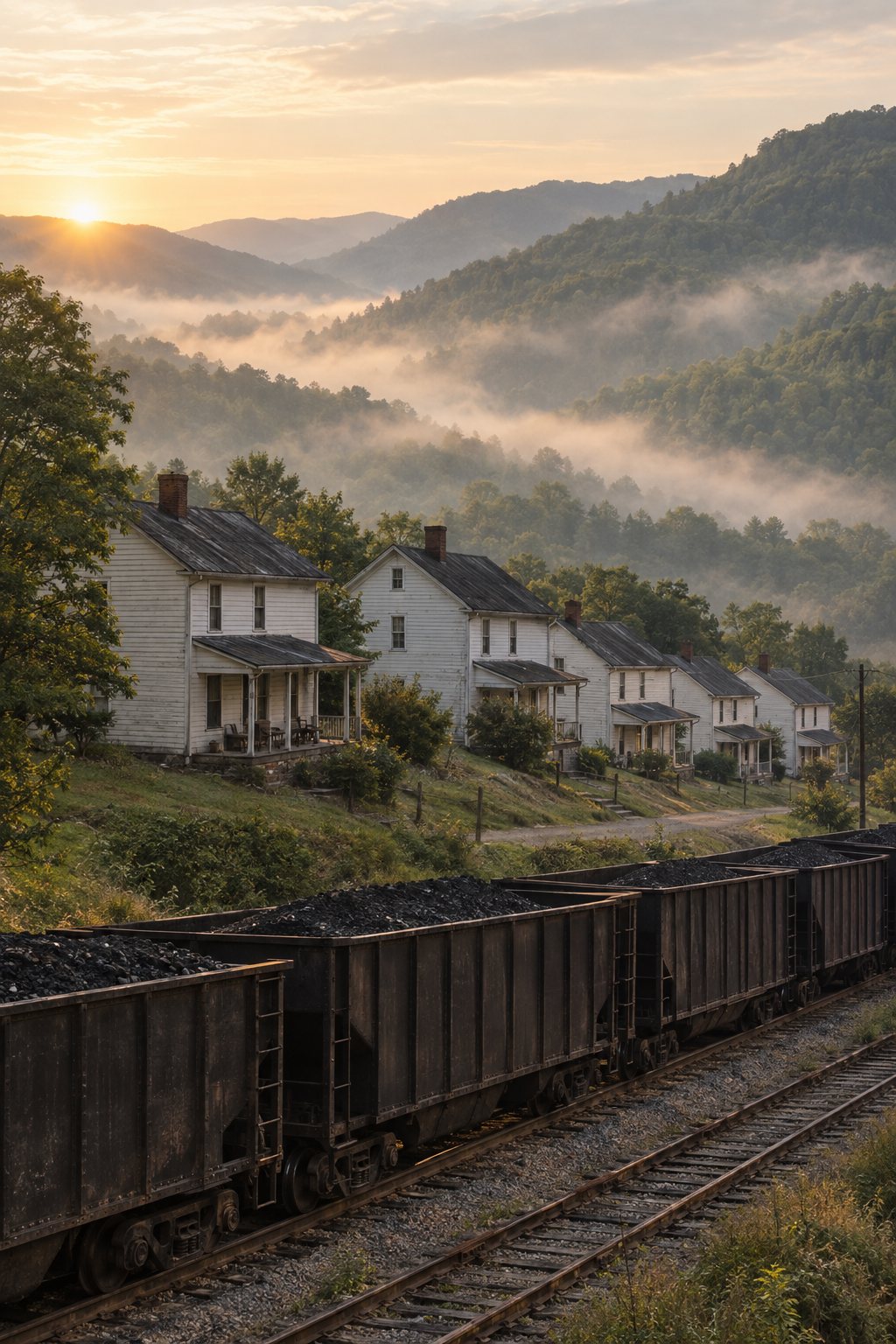
Our fathers and grandfathers didn’t climb into those dark mines because they loved danger. They went because there were mouths to feed, bills to pay, and children who needed shoes. Every morning they kissed their wives goodbye, knowing there was no promise they would make it back home that evening. Some didn’t. Others came home carrying injuries you could see. Many came home carrying scars you couldn’t.
America has always celebrated the soldiers who fought our wars, and rightfully so. But while those brave men and women were overseas defending freedom, another army was fighting a different battle beneath the mountains.
“While those brave men and women were overseas defending freedom, another army was fighting a different battle beneath the mountains.”
— Big John
Coal miners kept America running. The coal they dug powered the factories that built tanks, ships, airplanes, locomotives, helmets, ammunition, electricity, and the steel that became the backbone of our nation’s defense. Many miners even left the mines to serve in uniform, while others were told their work underground was just as essential to winning the war.
History should never forget either group.
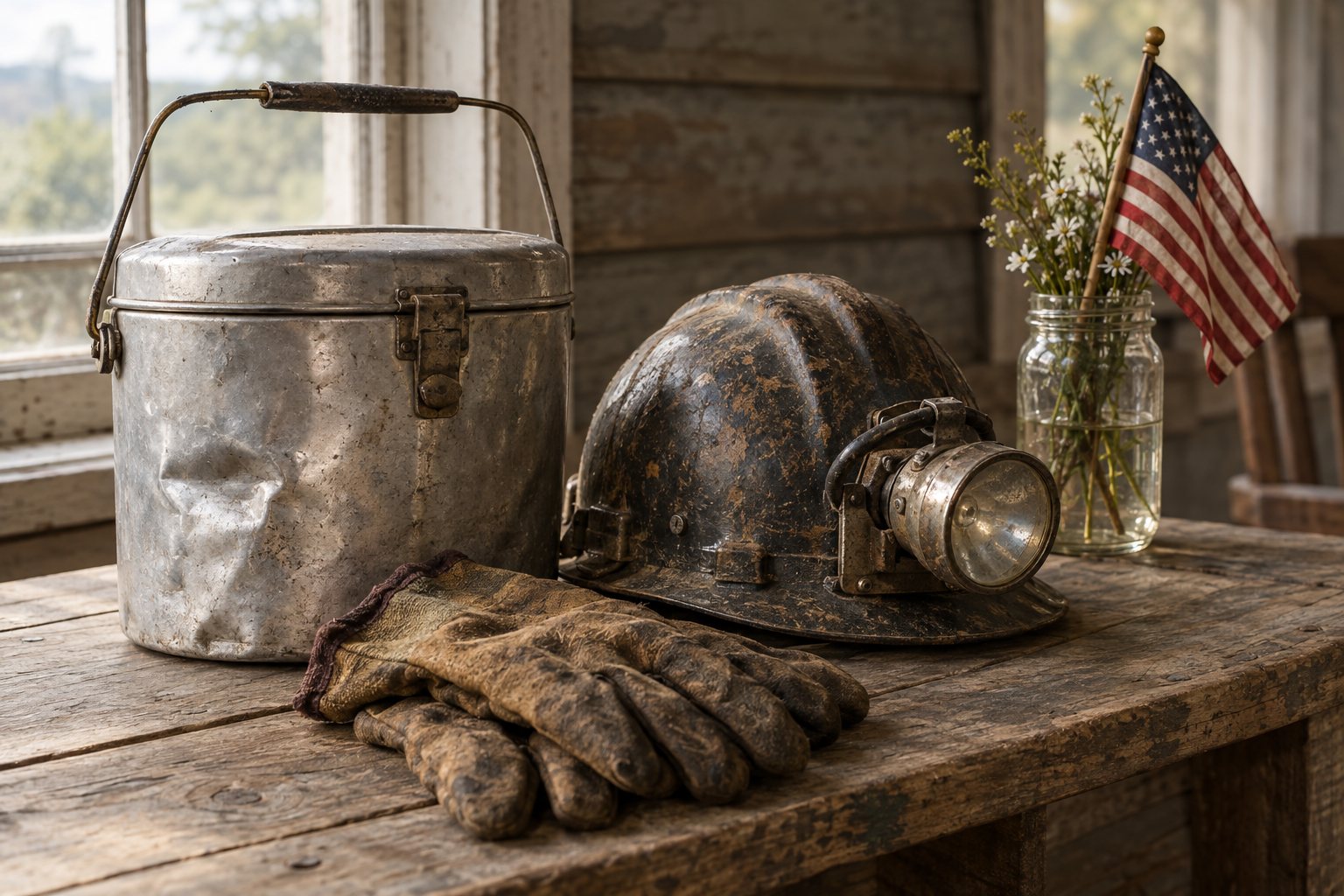
The cost of that work didn’t end when the shift whistle blew. It followed miners home in the dust on their clothes, in the cough that grew worse every year, and in the oxygen tanks that would eventually replace their lunch buckets. It followed wives who watched strong men slowly lose their breath. It followed children who watched their fathers fade away long before their time.
Then came another battle. For too many miners, proving they had black lung became almost as difficult as surviving the mines themselves. Instead of spending their final years with their families, many found themselves buried in paperwork, searching for medical records, traveling to examinations, attending hearings, and trying to prove what everyone in the coal camps already knew. Some never lived long enough to see their claims decided. The Black Lung Benefits Program exists because lawmakers recognized that coal mining can cause disabling lung disease. Yet many former miners and their families have described the claims process as long, difficult, and emotionally exhausting, with disputes over medical evidence and eligibility sometimes lasting for years.
For widows, the pain often continues after the funeral. No amount of money replaces a husband. No government check replaces a father. But a nation that benefited from a lifetime of sacrifice should not make surviving families feel forgotten.
“Some gave their lives in a single explosion. Others gave them one breath at a time.”
— Big John
Today America talks openly about reparations for many historical wrongs. People can disagree about those proposals. But I believe there is another debt that deserves our attention.
It is the debt owed to coal miners, their wives, their widows, and their children. This is not about politics. It is about gratitude. It is about remembering who powered America before computers, before natural gas, before solar panels, and before modern conveniences. It is about honoring the people who worked a thousand feet beneath the earth so the rest of us could live above it.
The coal companies made fortunes. The nation grew stronger. The lights stayed on. The steel mills kept pouring. The trains kept rolling. But too many mining families buried fathers before their grandchildren ever knew them. Some gave their lives in a single explosion. Others gave them one breath at a time. America should never forget either sacrifice.
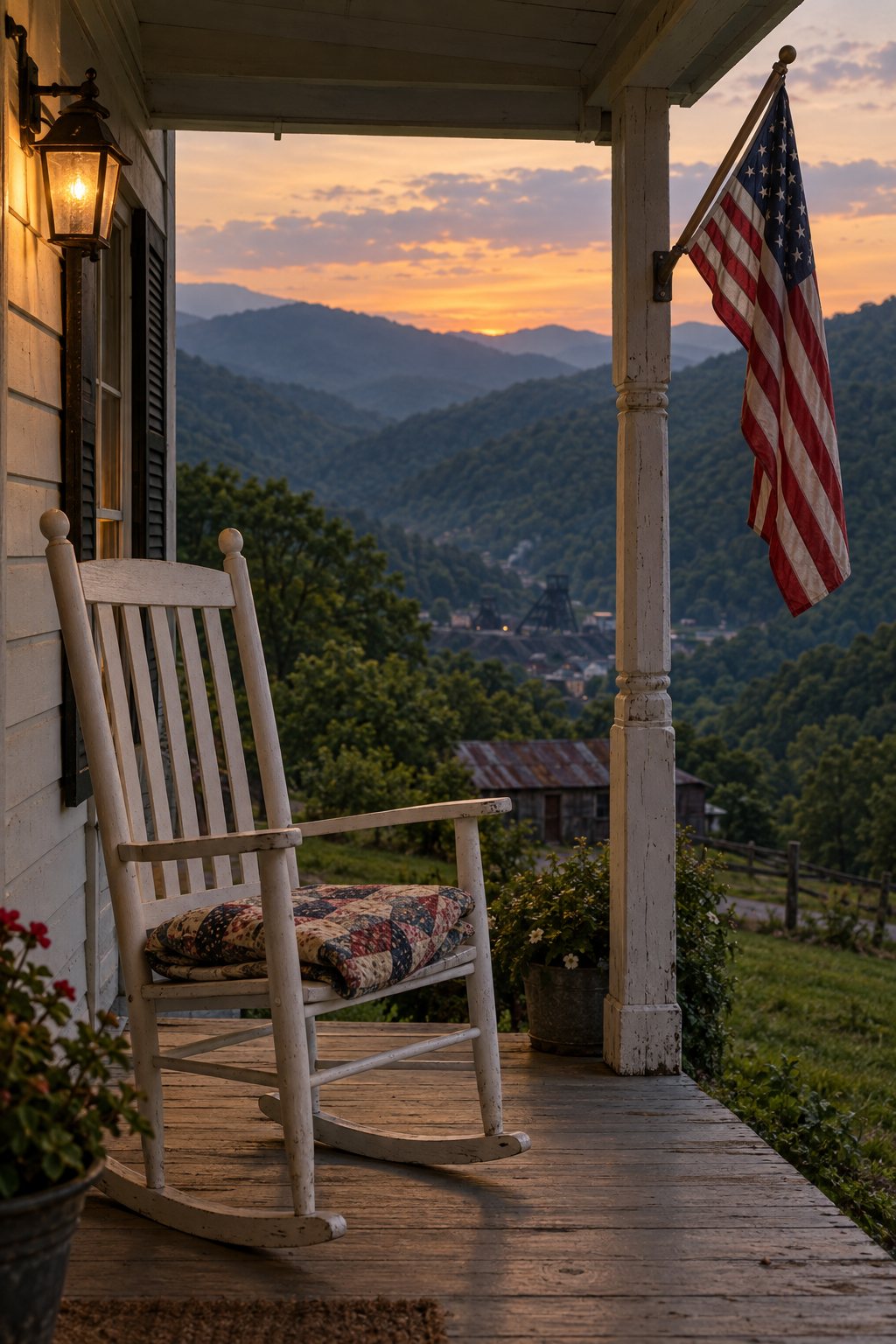
If we truly believe in honoring those who built this nation, then let us begin by taking better care of the miners who are still with us, protecting the benefits promised to those suffering from black lung, treating every claim fairly and promptly, and remembering the widows who carried families through the hardest years.
History remembers generals. It remembers presidents. It remembers famous battles. But America was also built by men whose names were never printed in history books. Their monuments are not made of marble. They are found in the coal seams of Appalachia, in the small towns that still bear the scars of mining, and in the families who quietly paid the price for America’s prosperity.
Those families have waited long enough. Perhaps it is finally time for America to repay a small part of the debt it owes.

More from Big John
Keep Reading on the Front Porch
Big John writes a regular column about mountain life, heritage, and the people who made Eastern Kentucky home.
All Front Porch Stories Browse the Books